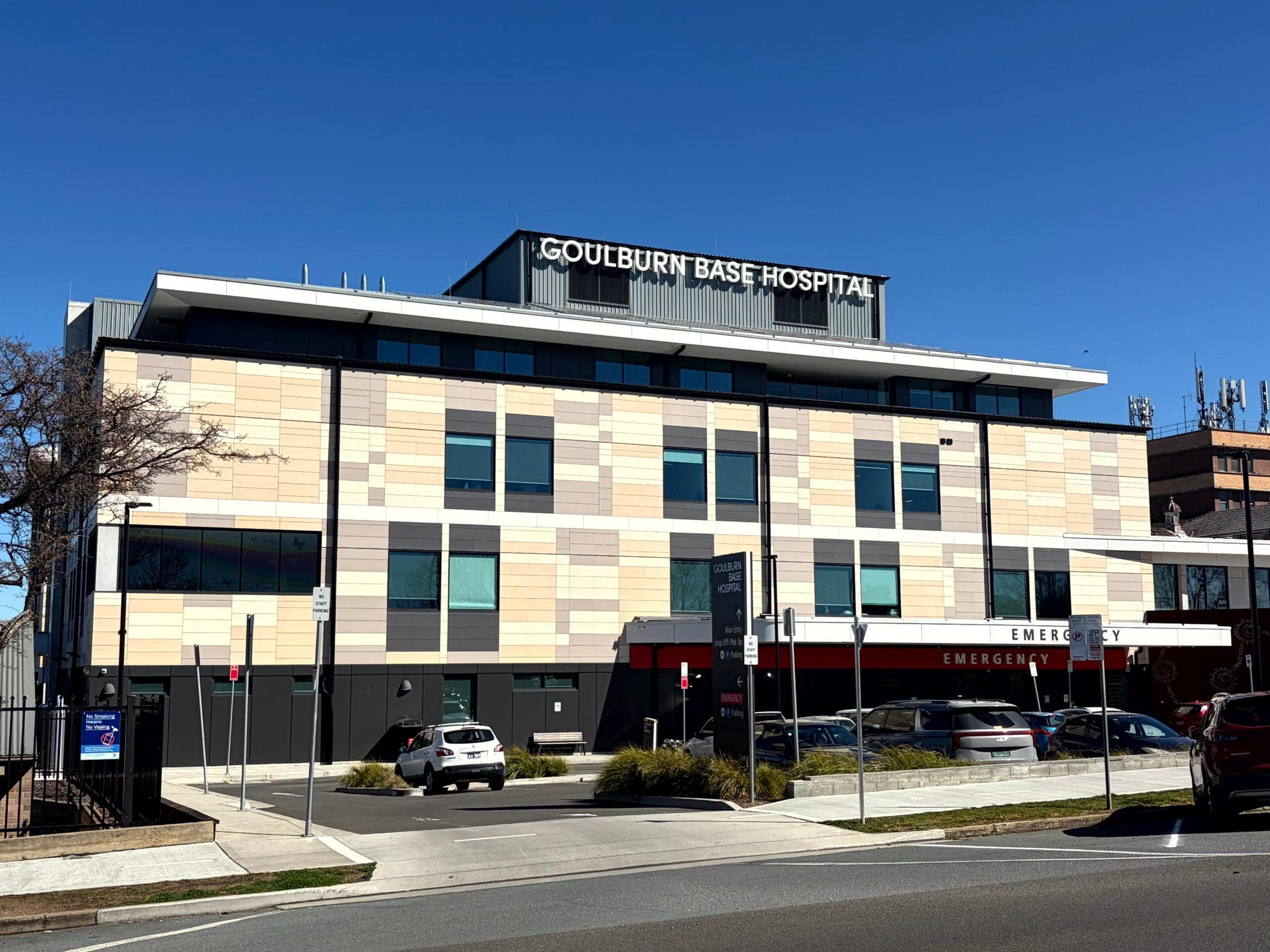
The High-Performance Healthcare Facade: Balancing Fire Safety, Durability, Sustainability and Design
Healthcare facilities demand more from their facades, with fire safety, durability and operational continuity all critical considerations. This white paper explores how a whole-wall-system approach can help architects balance compliance, energy efficiency, sustainability and design, delivering high-performance healthcare facades that protect occupants and support long-term building performance.
Healthcare buildings ask more of their facades than most building types. Hospitals and aged care facilities must meet strict fire requirements for Class 9a and 9c buildings, remain in service for 30 years or more and stay operational while the facade is maintained or repaired. A compliant cladding panel is not enough on its own. Fire performance, durability, energy efficiency and weather resistance depend on how the cladding, framing, insulation, membranes, fixings and sealants work together.
The High-Performance Healthcare Facade: Balancing Fire Safety, Durability, Sustainability and Design explores healthcare facade design through five key considerations. These are fire safety and compliance, durability and whole-of-life cost, human-centred design, resilience and sustainability, and operational continuity. The paper explains the NCC’s non-combustibility and verification pathways, how to assess evidence of suitability, coating and warranty performance, and how the wall system contributes to resilience and energy efficiency.
Network Architectural supplies ALPOLIC™ NC/A1, a non-combustible mineral core aluminium cladding supported by product certification and a 20-year full-cover manufacturer’s warranty. Network Architectural provides recommended installation details for ALPOLIC™ concealed cassette systems, incorporating framing, insulation, wall wraps, sealants and fixings. Through Network Building Group, many of these supporting materials can also be supplied, alongside technical support for product selection and documentation.
Related Articles
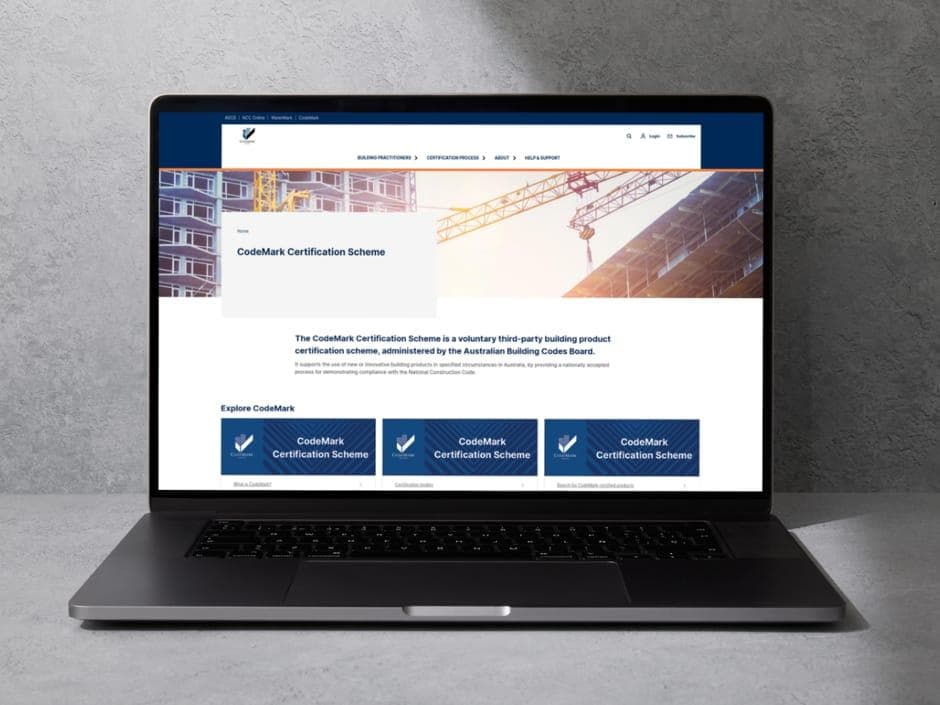
CodeMark Certification: Why Current, Valid Certification Matters For Your Next Project
Current CodeMark certification plays an important role in building product compliance and specification confidence. This article explains why certificate validity matters, what to check before relying on a CodeMark Certificate of Conformity, and how expiry dates, supporting documentation and manufacturing locations can impact product selection and project risk.

Customising Residential Facades
Residential architecture is moving beyond standardised facades, with growing demand for customised forms, refined detailing and layered materiality. This white paper explores how Aluminium Composite Materials (ACMs) support design flexibility, durability and compliance, helping architects deliver distinctive residential facades that are both buildable and suited to Australian conditions.

Ceiling Systems as Infrastructure: Designing Flexible, Energy-Efficient Data Centres
As data centres grow in scale and complexity, ceiling systems are playing a more critical role in performance. This white paper explores how ceiling design influences airflow, cooling efficiency and service coordination, helping architects deliver flexible, energy-efficient data centres that can adapt to evolving technology demands.